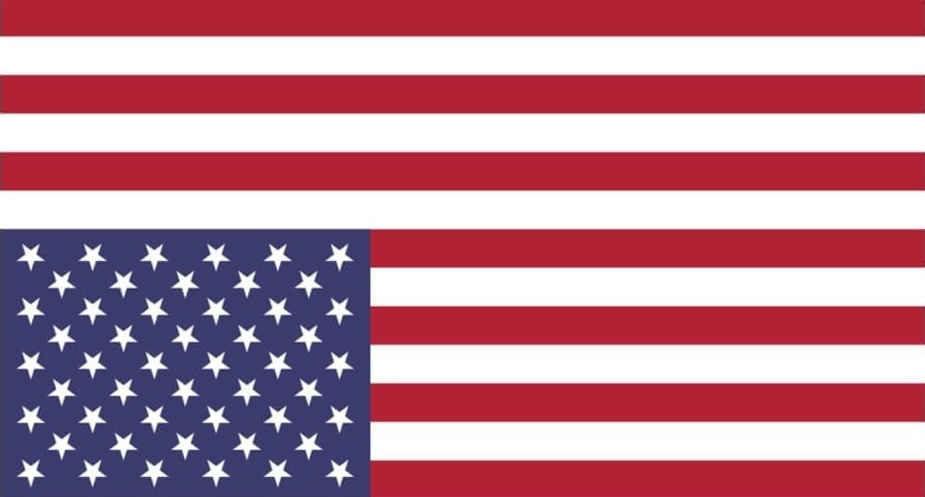
The now 2-decade-long rise of social media platforms as a arena for political discourse has reshaped the foundations of public governance. Platforms like Facebook and Twitter/X, along with partisan newcomers like Truth Social, transformed how citizens receive information, how political narratives are constructed, and how public policy debates unfold. This shift, while democratizing access to communication, has also introduced profound challenges for the effective administration of government programs.
A striking example can be seen in the aftermath of a viral video by influencer Nick Shirley, which alleged widespread fraud in government-funded daycare programs. Despite substantive evidence countering many of the video’s claims, its reach—amplified by political figures and shared across platforms—contributed to the Trump Administration freezing billions in federal social welfare funding to multiple states last week. These decisions, driven in part by unverified online content, demonstrate how quickly social media narratives can influence the priorities and operations of public institutions.
This dynamic feeds into a broader crisis of trust exacerbated by persistent falsehoods surrounding the 2020 presidential election. Former President Trump’s continued promotion of the “Big Lie”—the unfounded claim that the election was stolen (culminating in the January 6th insurrection, the 5th anniversary of which we observe yesterday)—has not only eroded confidence in electoral integrity but has also strained governmental legitimacy. When significant segments of the population doubt the foundational processes of democracy, it becomes much harder for government to marshal broad support for long-term social welfare initiatives or emergency responses. Together, the Big Lie and Big Social Media have created a new center of American culture: The Lie Factory. Sound familiar?
The mechanism underlying this culture shift is twofold. First, social media’s architecture accelerates the spread of misinformation, rewarding sensationalism and polarizing content over verified facts. This undermines the public’s ability to make informed judgments about policy and governance. Second, the political exploitation of unverified narratives—whether about elections or social programs—diverts administrative attention away from substantive policymaking toward reactive, often symbolic, actions. Republican’s have been keen to follow (and innovative) this method under Trump. Together, these trends weaken the capacity of federal and state governments to design, implement, and sustain effective social welfare programs that meet real public needs. Perhaps this is collateral damage from the Trump Administration reshaping the government in the image of personal profit and imperial ambitions, or perhaps it is the very point of it all.
For democratic governance to function effectively in the digital age, it is imperative that both social media platforms and political leaders take responsibility for the quality of public discourse. Without a recommitment to truth and institutional credibility, the ability of government to serve its citizens through robust social welfare systems will continue to be compromised.
Yikes.